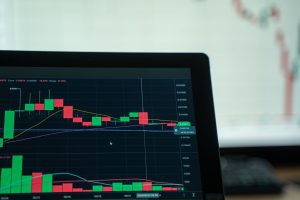
MetaTrader 5 (MT5) is a multi-asset trading platform widely used in forex, stocks, commodities, and cryptocurrency markets. But why is how to trade mt5 for beginners recommended for beginners? The platform offers a user-friendly interface, advanced charting tools, and the ability to automate trades.
Beginners benefit from MT5’s combination of simplicity and versatility. Its charting system, technical indicators, and economic calendar allow new traders to understand market trends without feeling overwhelmed. At the same time, MT5 supports more advanced features that traders can adopt as they gain experience, making it a platform that grows with your skill set.
How Do You Open a Trading Account on MT5?
Before trading, a trading account is required. MT5 offers demo and live accounts. Why start with a demo? A demo account provides virtual funds to practice without risking real money.
To open an account:
- Download and install MT5 on your device.
- Click “Open Account” and choose demo or live options.
- Enter personal details and verify your email.
- Fund your account if you choose a live account.
After completing these steps, MT5 provides login credentials. Once logged in, you can explore the interface, add charts, and practice placing orders.
What Types of Orders Can Beginners Use in MT5?
MT5 offers several types of orders, divided into Market Orders and Pending Orders.
- Market Orders: Executed immediately at the current price. Simple and fast, ideal for beginners learning trade timing.
- Pending Orders: Set trades to execute at a specific price in the future. MT5 provides Buy Limit, Sell Limit, Buy Stop, and Sell Stop orders. These allow precise entry and exit, reducing the need to constantly monitor charts.
MT5 also allows stop-loss and take-profit settings. Stop-losses prevent excessive losses by automatically closing trades when the market moves unfavorably. Take-profit orders secure profits at predefined targets, ensuring gains are realized without emotional decision-making.
How Can Beginners Read and Analyze MT5 Charts?
Charts are essential for making informed trading decisions. MT5 supports candlestick, bar, and line charts, with candlesticks being the most commonly used due to their visual clarity.
Key chart components include:
- Timeframes: Ranging from 1-minute to monthly charts. Shorter timeframes help day traders, while longer ones highlight trends.
- Indicators: Tools like Moving Averages, RSI, and MACD reveal trend direction, momentum, and potential reversals. Beginners should start with one or two indicators to avoid confusion.
- Patterns: Candlestick patterns and chart formations, such as triangles, double tops, and head-and-shoulders, indicate likely price movement.
Understanding charts allows traders to identify opportunities while minimizing guesswork.
Which Trading Strategies Are Beginner-Friendly on MT5?
Having a strategy is crucial for consistent results. Effective beginner strategies include:
- Trend Following: Identify market direction and trade with the trend using moving averages or trendlines.
- Breakout Trading: Enter trades when the price breaks key support or resistance levels, signaling strong market movement.
- Range Trading: Trade between established support and resistance in sideways markets.
Combining these strategies with risk management improves potential outcomes and reduces emotional trading errors.
How Can MT5 Help Beginners Manage Risk Smartly?
Risk management is essential for preserving capital. MT5 provides several tools:
- Stop-Loss Orders: Automatically close trades to limit losses.
- Take-Profit Orders: Lock in profits at predefined levels.
- Position Sizing: Limit risk per trade, usually 1–2% of the account.
- Diversification: Avoid putting all capital into one currency pair.
These tools help beginners maintain control, even during volatile markets, and ensure longevity in trading.
Can You Automate Trading on MT5?
Yes, MT5 allows automation via Expert Advisors (EAs). EAs execute trades based on pre-set conditions, removing emotional decision-making.
Benefits include:
- Automated trade execution.
- Backtesting strategies with historical data.
- Monitoring multiple markets simultaneously.
Beginners should test EAs on demo accounts first to understand performance and avoid unexpected losses.
Which Indicators Should Beginners Focus On?
Indicators provide insights into price movements. For beginners, essential indicators include:
- Moving Averages (MA): Identify trends and support/resistance levels.
- Relative Strength Index (RSI): Detect overbought or oversold conditions.
- MACD: Measures momentum and potential trend reversals.
- Bollinger Bands: Assess volatility and price deviations from average levels.
Using too many indicators can overwhelm beginners. Start simple and gradually add tools as experience grows.
How Can Beginners Practice Without Financial Risk?
MT5 demo accounts allow risk-free practice:
- Place trades with virtual funds.
- Test different strategies and indicators.
- Experiment with stop-loss and take-profit settings.
- Understand chart reading and timeframes.
Regular demo practice builds confidence and familiarity, which is critical when transitioning to live trading.
What Common Mistakes Should Beginners Avoid on MT5?
Even a powerful platform can lead to losses if mistakes are made. Common beginner mistakes include:
- Overtrading: Trading too frequently without clear strategy.
- Ignoring Risk Management: Failing to use stop-loss or take-profit orders.
- Using Too Many Indicators: Confusing analysis and delaying decisions.
- Trading Without a Plan: Entering trades emotionally rather than strategically.
- Neglecting Market News: Sudden events can cause unexpected price swings.
Avoiding these mistakes preserves capital and improves long-term performance.
How Can Traders Track Performance and Improve on MT5?
Performance tracking is essential for refining strategies. MT5 allows users to review trades and track metrics such as:
- Win/loss ratio.
- Average profit and loss per trade.
- Maximum drawdown.
- Risk-to-reward ratios.
Maintaining a trading journal is highly recommended. Recording trade decisions, outcomes, and emotional responses helps identify strengths and areas for improvement, leading to better consistency.
What Are the Benefits of Combining Risk Management With Strategy?
A disciplined approach combining strategy and risk management provides several advantages:
- Capital preservation for long-term trading.
- Reduced emotional trading errors.
- Increased probability of consistent profits.
- Flexibility to adapt strategies based on market conditions.
Traders who prioritize both aspects improve their chances of sustainable success.
How Should Beginners Transition From Demo to Live Trading?
Moving to live trading requires discipline:
- Start with a small live account to limit exposure.
- Apply strategies proven in the demo account.
- Adhere strictly to risk management rules.
- Avoid emotional trading.
- Review trades regularly and refine strategies based on outcomes.
This gradual transition reduces stress and builds confidence under real market conditions.
Conclusion: Why MT5 Is the Ideal Platform for Beginners
MetaTrader 5 is a versatile, beginner-friendly platform that balances simplicity with advanced functionality. Its robust charting, order execution, and automation capabilities provide tools for both novice and experienced traders.
By understanding order types, reading charts, implementing strategies, and managing risk, beginners can trade confidently while protecting capital. With practice, discipline, and careful observation, MT5 allows traders to develop skills, refine strategies, and achieve long-term success in financial markets.