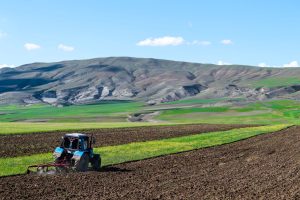
Long before a color reaches a bottle or a snack, it grows in soil. That simple fact is easy to forget when we look at neat jars of powder. Take black carrot color. It starts as a deep purple root, planted, watered, and harvested by people who watch the weather. Understanding this journey helps buyers ask better questions about quality, and supply. So let us follow a few plants from the field to the factory floor and see what shapes the final product.
Why Growing Conditions Matter
Sun, rainfall, and soil all change how much pigment a plant makes. A dry season may concentrate color in a root, while heavy rain can dilute it. Harvest timing matters too, since pigment builds up as the plant matures. Producers who control their own planting can plan around these swings far better than those who buy whatever comes to market. That control is one reason some suppliers deliver steadier shades from one year to the next. Weather is part of the recipe.
The Gentle Side of Processing
Many natural colors are made with simple physical steps. Roots are washed, pressed, filtered, and concentrated, much like making juice. Heat is kept moderate, because harsh treatment can damage delicate pigments. Sometimes natural processes inside the plant itself help release the color. The aim is to keep the character of the vegetable while removing water, sugars, and bulk. What remains is a strong, standardized liquid or powder that a factory can dose with confidence. It sounds simple, and in many ways it is.
A Purple Root With a Practical Streak
Black carrots are not the orange ones you bag for lunch. Their dark purple flesh is rich in anthocyanins, which give red to purple shades depending on acidity. In drinks and sweets, the color usually leans bright red to ruby, which makes it a useful partner for fruit flavors. The root also stays fairly steady through typical processing, so it appears in many recipes. It is a good example of a humble crop doing serious work. Not bad for a root vegetable.
Seeds Tell a Different Story
Not every color comes from a root. Annatto comes from the seeds of a tropical tree, each one wrapped in a bright reddish coat. Anyone searching for annatto food color is really looking for the pigments in that coat, mainly bixin and norbixin. One leans toward oil, the other toward water, which gives formulators options. The warm yellow to orange tones suit cheese, snacks, and baked goods, where a golden look signals richness. Always ask exactly which form you are buying.
Matching Plant Chemistry to Food
Each plant brings a different chemistry, and good formulators treat that as a puzzle. Anthocyanins from roots like carrots prefer acidic foods. Seed-based oranges are happier in fats or mildly alkaline systems. Blending sources can fill gaps, such as using a root red together with an orange seed extract for a warm cherry tone. Thinking about the original plant often explains why a color behaves the way it does in your recipe, and what to try when it does not.
Traceability Builds Trust
When auditors visit, they ask where each ingredient comes from. Suppliers who manage the crop from planting onward can answer with detail instead of guesses. Lot numbers connect a finished jar to a specific field and harvest. That chain of records also helps when something goes wrong, because a problem can be traced and fixed quickly. For brands that care about transparency on their labels, this background is not a bonus. It is the foundation of everything else. Ask to see the records.
Looking at Seasonality Honestly
Crops follow seasons, and weather can surprise everyone. A poor harvest may tighten supply, shift prices, or change raw material strength. Good suppliers share this openly and plan stock levels to cushion the effect. Buyers can help by forecasting needs early and avoiding last-minute orders. A steady conversation about volumes makes it easier for both sides to protect shade and delivery dates when the growing year does not go to plan, which happens more often than anyone likes. Planning together helps.
The Story Behind Every Shade
Behind every vivid shade is a field, a harvest crew, and a careful process. Remembering that makes buying decisions more thoughtful. If you want to explore plant-based colors from several sources, with sample support and technical guidance for your product line, have a look at foodrgb.com. Ask about the plants behind each color. A good partner will be happy to tell you the whole story and to show you how it ends up in your product. Quality really starts that early.