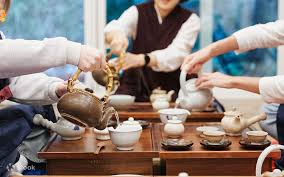
Korean tea culture is deeply rooted in mindfulness, respect, and harmony, and at its heart lies the graceful tradition of ceremonial tea practice known as Korean tea ceremony. This tradition reflects centuries of cultural refinement where tea is not only prepared and consumed but experienced as a mindful ritual. The ceremony emphasizes calm movement, thoughtful interaction, and appreciation of natural simplicity, making it an essential expression of Korean heritage.
What is the meaning of the Korean tea ceremony?
The Korean tea ceremony, known as Darye, is a traditional practice that focuses on simplicity, respect, and inner peace. Unlike highly structured ceremonial systems in other cultures, Darye is more natural and relaxed in form. It emphasizes sincerity in serving tea and mindfulness in every step of preparation. The ceremony is influenced by Buddhist and Confucian values, encouraging harmony between people and nature. It is not just about drinking tea but about cultivating awareness and balance in daily life.
How did the Korean tea ceremony originate?
The origins of the Korean tea ceremony date back over a thousand years when tea was introduced through cultural exchanges and Buddhist practices. Monks used tea as part of meditation to maintain focus and calmness. During the Goryeo and Joseon dynasties, tea rituals became more refined and were practiced in royal courts and scholarly gatherings. Over time, these rituals evolved into a cultural tradition that emphasized elegance, humility, and respect. Although its popularity declined in certain historical periods, it has been revived in modern times as an important cultural heritage.
What are the key elements of Darye practice?
The Steep Atlas tea knowledge involves several key elements that reflect its philosophy. Water preparation is essential, as pure water is believed to enhance the taste and energy of tea. Teaware selection also plays a significant role, with simple ceramic or porcelain vessels often preferred. The environment is kept quiet and calm to encourage mindfulness and presence. Movements during preparation are slow and intentional, symbolizing respect for both guests and nature. Every detail contributes to creating a peaceful and reflective atmosphere.
How is a traditional Korean tea ceremony performed?
A traditional Darye ceremony begins with preparing the tea space and arranging teaware in a simple, balanced manner. Water is heated to the appropriate temperature, and tea leaves are carefully measured. The host pours tea with gentle and deliberate movements, ensuring that each guest is served with attention and care. Participants often sit quietly, appreciating the aroma, color, and taste of the tea. Conversations, if any, are soft and respectful, maintaining the peaceful atmosphere of the ceremony.
Why is the Korean tea ceremony important today?
In modern society, the Korean teaceremony remains important as a symbol of mindfulness and cultural identity. It offers a way to slow down in a fast-paced world and reconnect with inner peace. Many cultural centers and tea houses continue to teach and practice Darye as part of heritage preservation. It also appeals to global audiences interested in wellness, meditation, and traditional arts. The ceremony serves as a reminder that simplicity and awareness can bring balance to everyday life.
The Korean tea ceremony continues to be a living tradition that bridges history and modern life. It reflects values of respect, harmony, and mindfulness that remain relevant today. Through quiet gestures and shared tea, participants experience a deeper connection to themselves, others, and nature. This elegant practice preserves cultural wisdom while offering a meaningful path to calmness and reflection in an increasingly busy world.